
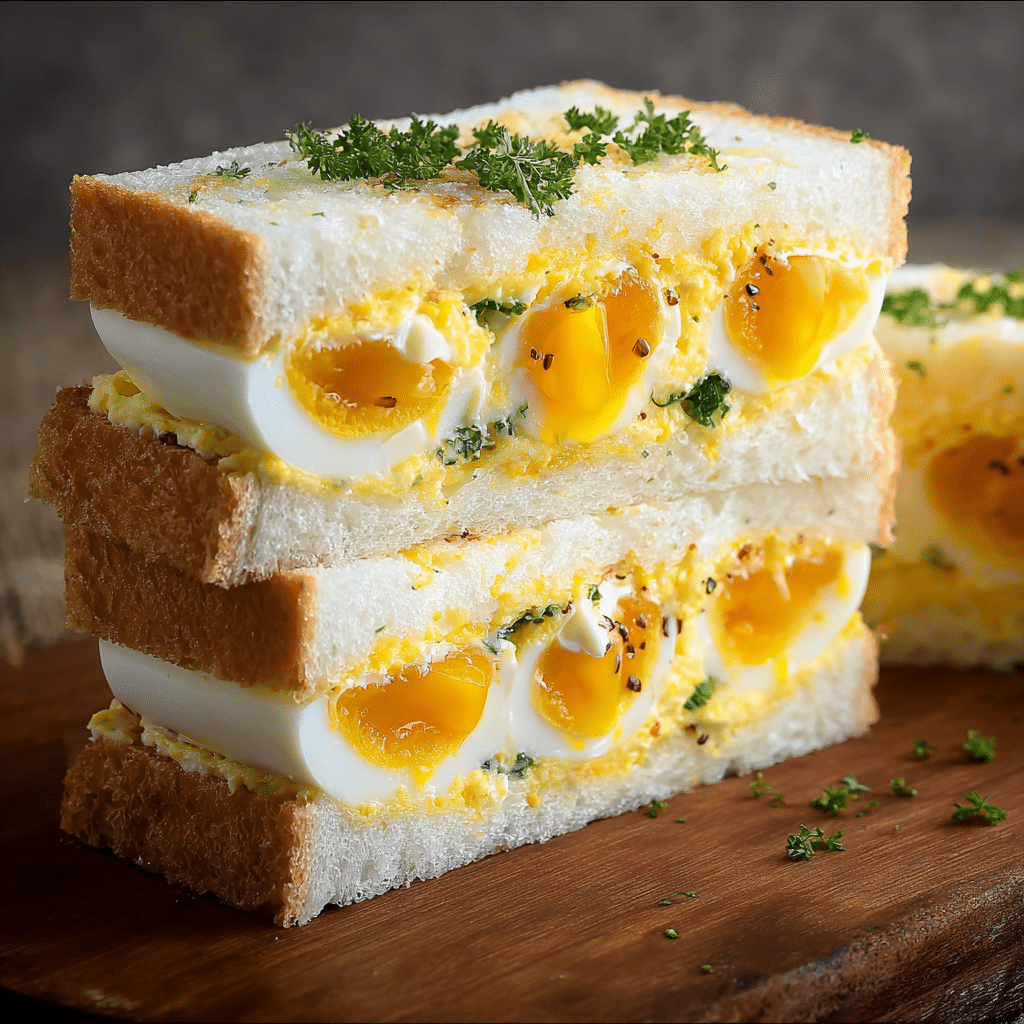
If you have never tried a Japanese Egg Sandwich, you’re in for a delightful surprise. This sandwich is the perfect blend of creamy, fluffy egg filling nestled between soft, pillowy bread that practically melts in your mouth. Loved by food enthusiasts worldwide, the Japanese Egg Sandwich is a simple yet satisfying treat, offering a unique texture and flavor profile that makes it a staple in cafés across Japan. Whether for breakfast, lunch, or a comforting snack, discovering the secret to the perfect Japanese Egg Sandwich will transform the way you think about eggs and sandwiches forever.
Why You’ll Love This Recipe
- Unmatched Creaminess: The filling is luxuriously creamy thanks to the careful balance of eggs and mayonnaise.
- Fluffy Texture: Using just the right cooking technique, the eggs become fluffy yet firm, creating a melt-in-your-mouth sensation.
- Simple Ingredients: It requires basic pantry staples, making it easy to recreate at home without fuss.
- Versatile and Customizable: Easily adapt the recipe to suit your personal tastes or dietary needs.
- Perfect Comfort Food: This sandwich delivers a warm, cozy feeling, making it a go-to for both kids and adults alike.
Ingredients You’ll Need
The beauty of the Japanese Egg Sandwich lies in its simplicity and the quality of its ingredients. Each component contributes something special, from the creaminess of mayonnaise to the softness of the bread, crafting a harmony of taste and texture that is hard to beat.
- Eggs: The star of the dish, providing rich flavor and a soft, pliable texture.
- Mayonnaise: Adds a silky, creamy element that binds the eggs and enhances softness.
- Milk or Heavy Cream: Helps achieve the fluffy, custard-like consistency in the egg filling.
- Soft White Bread: Traditionally crustless shokupan or milk bread creates the tender outer layer.
- Salt and Pepper: Simple seasoning to highlight the egg’s natural flavor.
- Butter: Optional, used sparingly on the bread for extra richness and moisture.
Variations for Japanese Egg Sandwich
Feel free to customize the Japanese Egg Sandwich by swapping ingredients or adding extras. This recipe is incredibly flexible, allowing you to tailor it for unique flavors or dietary preferences without losing its classic charm.
- Avocado Addition: Add thin slices of avocado for a creamy texture and a touch of healthy fat.
- Herbs and Chives: Incorporate fresh herbs for a pop of color and subtle freshness.
- Wasabi Mayonnaise: Swap regular mayo for wasabi mayo for an exciting, spicy twist.
- Vegetarian Protein: Include thin slices of firm tofu or tempeh if you want extra protein without meat.
- Sweet Twist: Add a tiny bit of honey or a sprinkle of sugar for a sweet-savory balance.

How to Make Japanese Egg Sandwich
Step 1: Boil the Eggs
Begin by boiling eggs to a soft or medium-hard consistency so the yolks remain rich but not overcooked. This will ensure a creamy egg salad base.
Step 2: Prepare the Egg Mixture
Once the eggs are peeled, mash them gently with a fork. Mix in mayonnaise, a small amount of milk or cream, salt, and pepper until the texture is fluffy and smooth but still chunky enough to enjoy.
Step 3: Prepare the Bread
Use soft, crustless white bread, ideally Japanese milk bread, which is extra tender and slightly sweet. Lightly butter the slices if desired for added richness.
Step 4: Assemble the Sandwich
Spread the creamy egg mixture evenly onto one slice of bread, then sandwich it together with the second slice. Gently press to keep the filling intact without squashing the softness.
Step 5: Serve or Wrap
Cut the sandwich into halves or thirds for easy eating and serve immediately or wrap for later enjoyment, keeping the bread fresh and the filling moist.
Pro Tips for Making Japanese Egg Sandwich
- Choose Fresh Eggs: Fresh eggs have the best flavor and texture for a rich filling.
- Peel With Care: Crack boiled eggs gently and peel under running water for smooth, clean pieces without breakage.
- Use Soft Bread: Crustless, fluffy bread holds the creamy filling beautifully without overwhelming it.
- Don’t Overmix: Keep some texture in the egg mixture to avoid a paste-like consistency.
- Keep it Chilled: Refrigerate the egg mixture before assembling to help it set and taste fresher.
How to Serve Japanese Egg Sandwich
Garnishes
Add a light sprinkle of finely chopped chives or a dash of paprika on top for color and a hint of fresh flavor that complements the creamy egg core.
Side Dishes
Pair your sandwich with a fresh green salad, pickled vegetables, or a bowl of miso soup for a well-rounded meal that balances richness with lightness.
Creative Ways to Present
Cut sandwiches into elegant triangles or bite-sized cubes for a charming tea party or picnic presentation that’s as inviting visually as it is delicious.
Make Ahead and Storage
Storing Leftovers
Keep leftover sandwiches refrigerated in an airtight container for up to 24 hours to maintain freshness and prevent sogginess of the bread.
Freezing
It’s best to avoid freezing the finished sandwich as the texture of the eggs and bread can degrade, but you may freeze the cooked eggs or bread separately beforehand.
Reheating
If you prefer a warm sandwich, gently toast the bread separately before assembling with cold egg filling to maintain the creamy texture without drying out the eggs.
FAQs
What makes the Japanese Egg Sandwich different from regular egg salad sandwiches?
The key difference lies in the unique texture and balance—Japanese Egg Sandwich features a fluffier, creamier egg filling paired with ultra-soft milk bread, creating a delicately smooth eating experience.
Can I use other types of bread?
While traditional recipes call for soft, crustless white bread, you can experiment with sandwich bread or brioche, but keep in mind it will slightly alter the texture and flavor.
Is this recipe suitable for meal prep?
Yes, the egg filling can be made in advance and stored separately, but for best results, assemble the sandwich just before eating to prevent soggy bread.
How long do boiled eggs last for this recipe?
Boiled eggs are best used within one week when stored properly in the refrigerator, making this sandwich convenient for multiple uses during the week.
Can I add other flavors or spices?
Absolutely! Adding ingredients like mustard, wasabi, herbs, or even curry powder can add exciting dimension to the Japanese Egg Sandwich without overpowering its classic creaminess.
Final Thoughts
There’s something truly heartwarming about the Japanese Egg Sandwich that keeps people coming back for more. Its creamy, fluffy filling and soft, tender bread make it both simple and deeply satisfying. Whether you’re looking for an easy breakfast, a comforting snack, or a creative lunch option, this recipe invites you to enjoy a little slice of Japanese comfort food at home. Give it a try today, and discover why everyone loves this delicious, timeless sandwich!